
Wound care that closes wounds, not just covers them
A wound that will not heal is exhausting, frightening and dangerous. Our wound-certified nurses bring clinical rigor to your home: measurement, photography, advanced dressings and the detective work that finds why healing stalled.
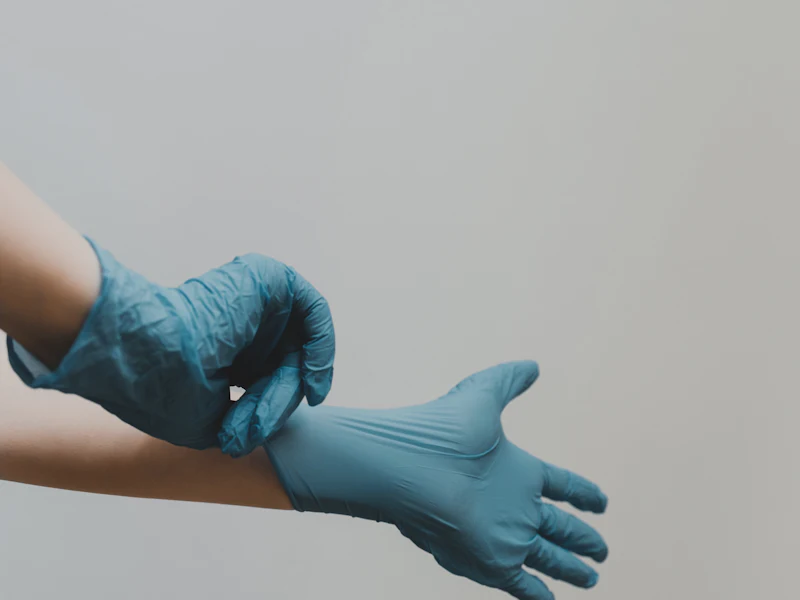
Wounds we treat at home
- Surgical incisions, including dehiscence and post-operative infections
- Diabetic foot ulcers, with offloading and foot-check teaching
- Pressure injuries from stage one to complex, plus repositioning programs
- Venous and arterial ulcers with compression therapy where indicated
- Skin tears and trauma wounds common with fragile aging skin
- Ostomy and drain sites, care, maintenance and teaching
Every visit, documented
Measurements, photographs and tissue assessment at each visit flow to your physician, so treatment changes happen when the data says so, not at the next quarterly appointment. Families see the same progress photos we do.
Why wounds heal better at home
Wound clinics see the wound. We see the life around it: the recliner that creates pressure, the protein-poor freezer meals, the shower routine that soaks dressings, the swelling that means compression stockings stopped being worn. Healing requires fixing those, and they are invisible from a clinic chair.
Our nurses also coordinate nutrition support, pressure-relief equipment and physician follow-ups, and we escalate to wound specialists immediately when a wound stops responding.
Related services: Skilled Nursing, Post-Surgical Care, Chronic Disease Care
Questions about wound care
Which wounds need professional care instead of home bandaging?
Any wound that is not clearly smaller after two weeks, any surgical incision with spreading redness, drainage or opening edges, anything on a diabetic foot, pressure spots that darken or blister, and wounds with odor or increasing pain. Slow-healing wounds rarely fix themselves; they deteriorate quietly, and early professional care is dramatically cheaper and safer than a hospital admission for infection.
What does a wound care nurse do that a clinic visit does not?
Beyond expert cleaning, debridement support and advanced dressings, a home wound nurse sees the causes: the chair where pressure builds, the nutrition that is not supporting healing, the bathing routine soaking a dressing. We photograph and measure at every visit so your physician watches the trend line, not a memory.
How often are wound care visits?
Per the physician's order, commonly one to three times weekly, with family taught to manage simple dressing changes between visits. Frequency steps down as the wound closes.
Is home wound care covered by Medicare?
Yes, wound care is one of the most common Medicare home health orders, covered at 100 percent with a physician order and homebound status. Supplies prescribed under the plan of care are typically covered as well.
Care can begin within 24 hours
Talk with a registered nurse today. No pressure, no obligation, just honest answers about what your family needs.
Prefer to talk it through first? Call (702) 555-0142. A real person answers, 24 hours a day.