
When memory fades, familiarity is medicine
The disease takes enough. It should not also take the kitchen she has cooked in for forty years, the chair by the window, the neighbor who waves. Our dementia-certified caregivers protect what is familiar, and bring calm, structure and genuine joy into every day.
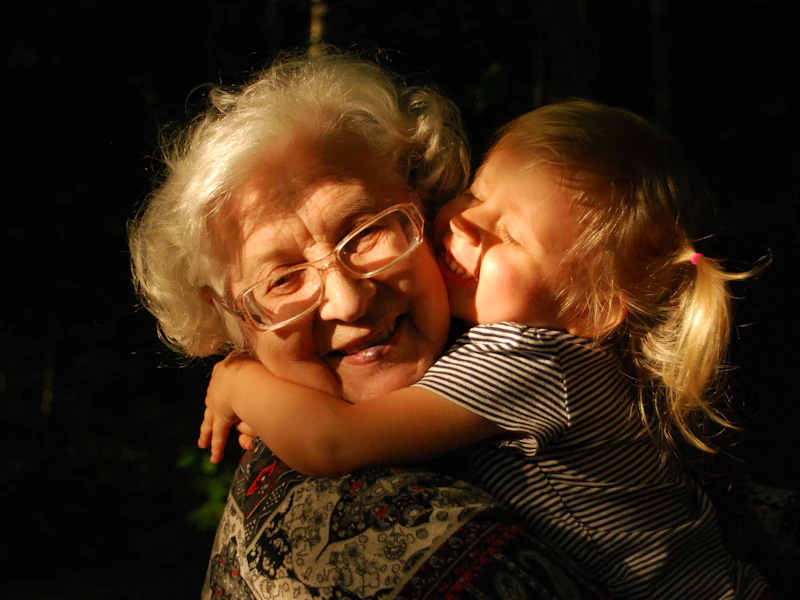
What dementia care includes
- Structured, familiar routines, the most powerful non-drug therapy we have
- Redirection and validation instead of correction and confrontation
- Personal care without fear: bathing and dressing approaches for memory loss
- Wandering and sundowning plans written for your specific situation
- Meaningful engagement: music, photos, faith, old recipes, the person's own story
- Nutrition and medication oversight tied to an RN-reviewed plan
- Family coaching and honest staging guidance, including when needs outgrow home
The same caregiver matters double here
A person with dementia may not recall a name, but they remember how someone makes them feel. A rotating cast of strangers reads as threat; a consistent, familiar caregiver reads as safe. That is why our consistency promise is strictest on memory care cases: one primary caregiver, one trained backup, introduced gradually, kept for the long haul.
We also care for the family. Dementia caregiving is a marathon that breaks healthy adults; our respite program and family coaching exist because keeping you standing is part of keeping them home.
Helpful guide: Caring for a Parent with Dementia at Home, our practical family playbook.
Questions about memory care at home
Is home really better than memory care for dementia?
For many people, especially in early and middle stages, yes. Familiar rooms, routines and belongings are powerful anchors when memory fails; moving strips them away exactly when they matter most. Research and our daily experience both show less agitation and slower functional decline when the environment stays stable. There are stages and safety situations where a community becomes the right call, and we will tell you honestly when we see them.
What special training do your dementia caregivers have?
Beyond our 40-hour academy, dementia-assigned caregivers complete certification covering validation and redirection instead of correction, bathing and dressing approaches that avoid triggering fear, wandering and sundowning management, communication at each disease stage, and meaningful activity planning. An RN with dementia experience supervises every case.
How do you handle wandering and sundowning?
With prevention more than reaction: consistent daily rhythm, afternoon light and activity, reduced evening stimulation, door chimes and safety adaptations, and caregivers trained to spot restlessness before it becomes an exit. We write a specific wandering and sundowning plan for every memory care client.
Can you care for someone who refuses help?
Almost every dementia engagement starts with some refusal. Our approach: start small, often as 'a friend who helps around the house,' match the right personality, follow the person's lifelong habits and let trust build over a couple of weeks. It nearly always does. We coach the family on language that lowers resistance too.
Care can begin within 24 hours
Talk with a registered nurse today. No pressure, no obligation, just honest answers about what your family needs.