
Occupational therapy: independence, one routine at a time
A stroke, a broken wrist or simple decline can put a wall between a person and their own morning routine. Our occupational therapists take that wall down brick by brick, retraining real tasks in the real kitchen, closet and bathroom where they live.
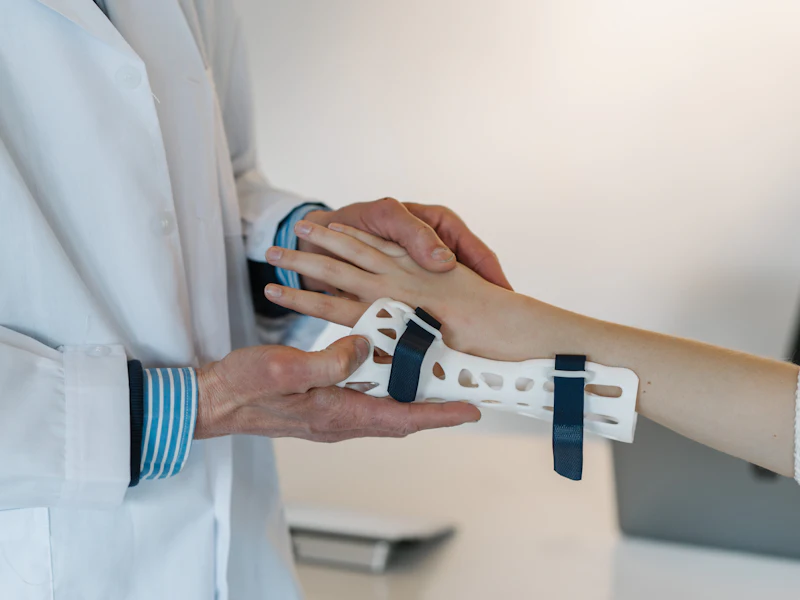
What home OT includes
- Daily living retraining: dressing, bathing, grooming, toileting, eating
- Home safety evaluations with a prioritized, practical modification plan
- Adaptive equipment selection and training: reachers, dressing aids, shower benches
- Fine motor and hand therapy after stroke, fracture or with arthritis
- Energy conservation techniques for COPD, heart failure and fatigue
- Cognitive strategies for memory, sequencing and safety judgment
- Caregiver training so family helps in ways that build skill, not dependence
Small changes, enormous difference
Families are often stunned by how much ground comes back. A button hook returns a shirt. A transfer bench returns a private shower. Twenty minutes of sequencing practice returns scrambled eggs on Saturday morning. Independence is rarely all-or-nothing; it is recovered task by task, and every recovered task lightens the family's load too.
Our OTs coordinate directly with our physical and speech therapists, nurses and aides under one plan, so every discipline pushes toward the same goals.
Related services: Physical Therapy, Speech Therapy, Home Safety Guide
Questions about occupational therapy
What does an occupational therapist actually do?
Occupational therapists rebuild the skills of daily living, the 'occupations' of being a person: dressing, bathing, cooking, writing, managing medications, using the phone. After stroke, injury or decline, an OT breaks each task into trainable steps, adds adaptive tools where needed, and rebuilds independence one routine at a time.
How is OT different from physical therapy?
PT rebuilds the body's capacity: strength, balance, walking. OT rebuilds what you do with that capacity: buttoning a shirt, making breakfast, bathing safely. After a stroke or surgery most patients benefit from both, and our therapists plan together under one care plan rather than in silos.
Can an OT make our home safer?
Yes, it is one of the most valuable things they do. Your OT walks every room and produces a practical modification plan: grab bar placement, shower transfer benches, raised toilet seats, lighting, decluttered pathways and kitchen rearrangement, prioritized by risk and cost. Many falls are prevented with under 300 dollars of changes.
Does insurance cover occupational therapy at home?
Medicare covers home OT as part of a home health plan of care, generally alongside nursing or PT. Medicare Advantage and commercial plans cover it with authorization. We verify everything before the first visit, free.
Care can begin within 24 hours
Talk with a registered nurse today. No pressure, no obligation, just honest answers about what your family needs.
Prefer to talk it through first? Call (702) 555-0142. A real person answers, 24 hours a day.